

राम नवमी: केवल एक त्योहार नहीं, बल्कि जीवन जीने की सीख
March 25, 2026
Small Acts, Big Impact: Helping Stray Animals Survive the Summer Heat
April 8, 2026
Introduction
In recent years, EdTech has transformed the education landscape in India. With digital platforms, video lectures and interactive tools, learning has become more accessible than ever before.
However, despite this rapid growth, a critical gap continues to exist-the language barrier.
While most EdTech platforms are built with an English-first approach, a large percentage of students in India come from Hindi-medium or regional language backgrounds. This mismatch creates a silent but significant learning challenge, one that often goes unnoticed.
Understanding the Real Problem
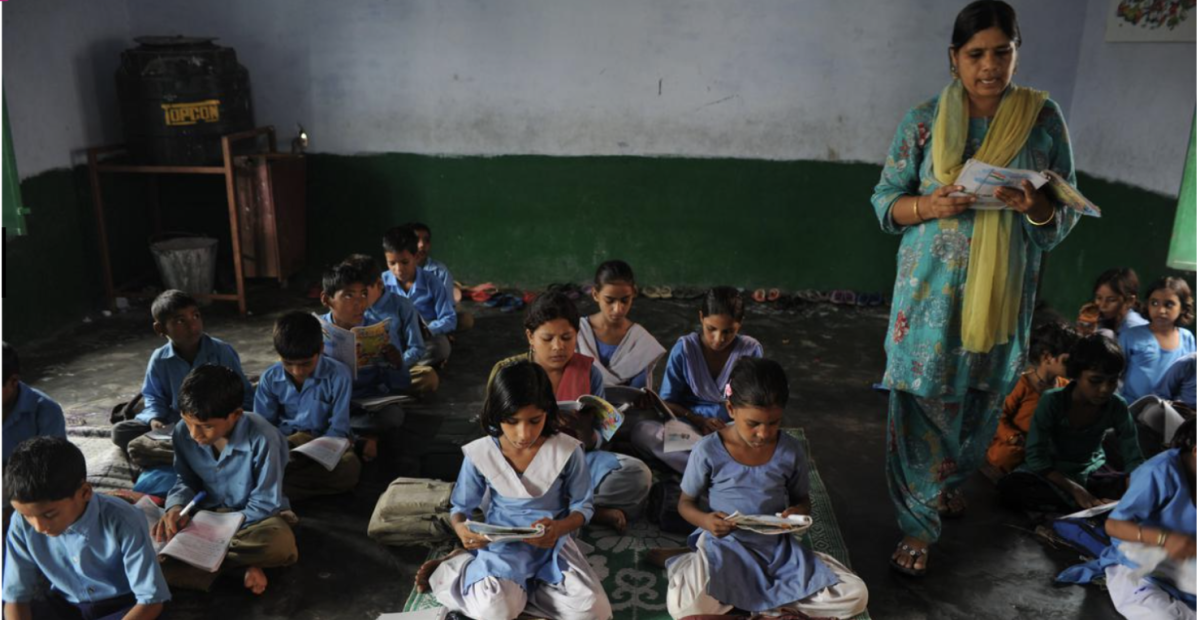
India is a diverse country with multiple languages, cultures and learning environments. For many students, especially in Tier 2 and Tier 3 regions, English is not the primary language of understanding, it is a subject in itself.
When students are forced to learn complex concepts in a language they are not comfortable with, learning becomes:
- Mechanical instead of conceptual
- Memorisation-driven instead of understanding-based
- Stressful instead of engaging
As a result, students may appear to be “learning” but in reality, they are simply trying to decode language rather than grasp concepts.
Why Translation Alone Is Not Enough
Many platforms are taking important steps by offering content in regional languages. While this improves accessibility, it does not always guarantee deeper understanding.
Translation often:
- Converts words, but may miss the underlying context
- Does not always capture cultural and real-life relevance
- Can fall short in making concepts truly relatable
For instance, a concept explained using urban or western examples may not fully connect with a student in a rural classroom.
To create meaningful learning experiences, the focus needs to go beyond translation towards contextual and localized content that resonates with students’ everyday realities.
The Impact on Learning Outcomes
When language becomes a barrier, it directly affects learning outcomes:
- Students hesitate to ask questions due to lack of confidence
- Conceptual clarity remains weak
- Engagement levels drop over time
- Dependence on rote learning increases
This is one of the reasons why, despite access to digital platforms, many students still struggle with basic foundational concepts.
Why This Matters More Than Ever
India is currently witnessing a rapid push towards digital education, especially with initiatives aligned with modern education policies and technology-driven learning ecosystems.
However, if language inclusivity is not addressed, digital education risks becoming accessible but not effective.
True inclusivity in education means:
- Every student can understand, not just access content
- Learning is adapted to the student, not the other way around
- Technology bridges gaps instead of widening them
The Way Forward: Building for Bharat
To truly make EdTech effective across India, platforms need to rethink their approach:
1. Localised Content Design
Content should be created in regional languages from the ground up, keeping local context, examples, and culture in mind.
2. Teacher Integration
Teachers play a crucial role in bridging language gaps. Platforms must empower teachers with tools to explain concepts in the student’s preferred language.
3. Bilingual Learning Models
A mix of regional language + English can help students gradually build confidence while ensuring conceptual clarity.
4. Contextual Learning Experiences
Examples, case studies, and scenarios should reflect the student’s real-life environment to make learning more relatable.
Conclusion
EdTech in India has made remarkable progress in expanding access to education. But access alone is not enough.
To truly transform learning, we must address the language gap that exists at the core of the system.
Because education is not just about delivering content, it is about ensuring that every student understands, connects, and grows.
Only when learning speaks the student’s language literally and contextually can we unlock the true potential of education in Bharat.