

बिना कोचिंग के बोर्ड परीक्षा की तैयारी: 100 दिन का आसान और असरदार स्टडी प्लान
October 17, 2026
रावण के दस सिर, दशहरे से हर विद्यार्थी क्या सीख सकता है
October 21, 2026
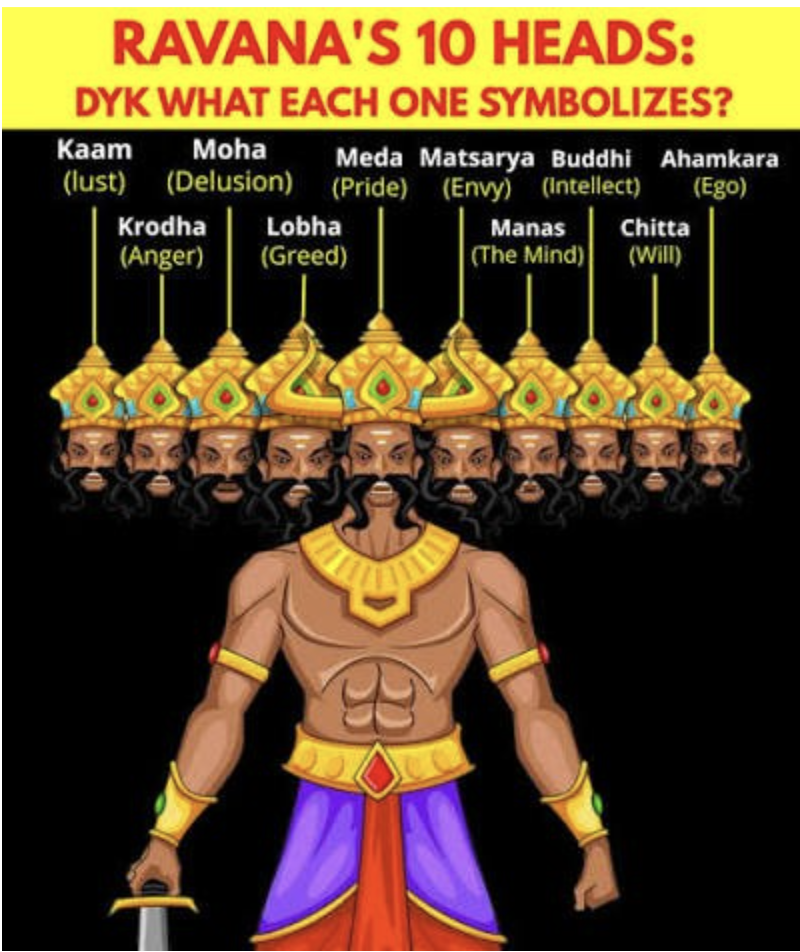
Every year, as Dussehra arrives, we watch the same scene: a towering Ravana, ten heads and all, goes up in flames while the crowd cheers. We clap, we click photos, we go home. But here’s a question worth asking: why do we burn the story’s most learned character?
Ravana wasn’t a fool. He was a scholar of the Vedas, a gifted musician, a skilled ruler and a devoted student of Shiva. On paper, he was exactly the kind of person every classroom would celebrate. And yet he fell. That is the real lesson of Dussehra for students: talent alone does not decide where you end up. Character does.
The ten heads are not monsters. They are habits.
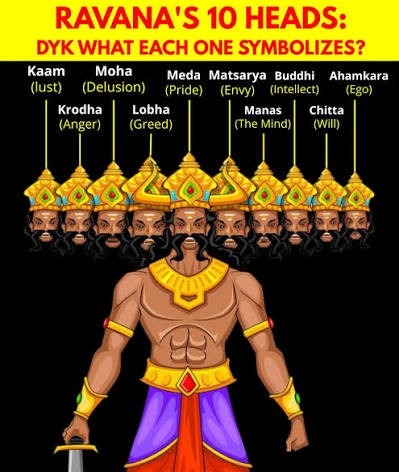
In many readings, Ravana’s ten heads stand for ten human weaknesses: lust, anger, greed, attachment, pride, jealousy, ego, selfishness, cruelty and impulsiveness. Strip away the mythology and you will notice something uncomfortable. Student life has its own ten heads.
- Procrastination: “I’ll start tomorrow” has ended more dreams than any exam.
- Comparison: measuring your chapter one against someone else’s chapter twenty.
- Ego: refusing to ask a doubt because you fear looking less smart.
- Distraction: hours lost to the scroll while the syllabus waits.
- Anger and impatience: snapping at friends, teachers or yourself when results don’t come fast.
- Jealousy: resenting a classmate’s success instead of learning from it.
- Shortcuts: copying, cramming, cutting corners.
- Overconfidence: assuming you’ve already “got” a topic you’ve barely read.
- Attachment to comfort: staying where it’s easy instead of where you grow.
- Not listening: ignoring good advice because it comes from the wrong person.
That last one is the closest to Ravana’s story. His brother Vibhishana, his wife Mandodari and his own ministers all warned him. He didn’t listen, because his ego had grown louder than his wisdom. Brilliant people fall when they stop accepting feedback.
What Ram teaches us about winning
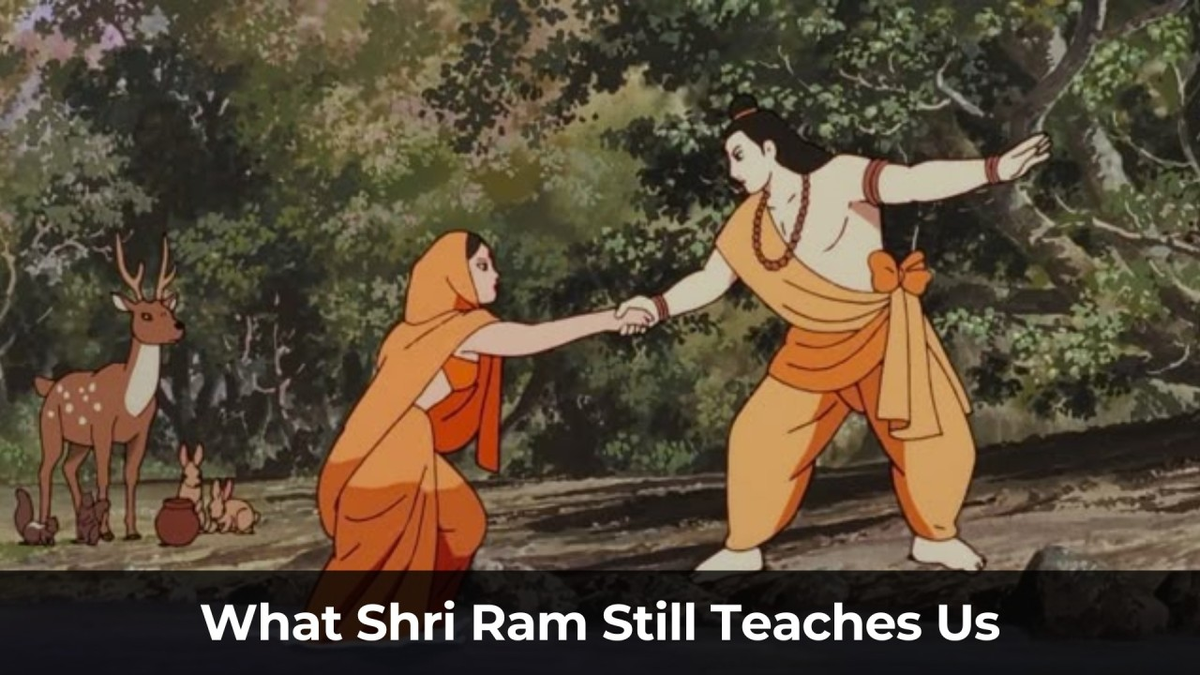
Now look at the other side. Ram did not win because he was the strongest. He had no army, no chariot at the start and no kingdom behind him. What he had was a different set of habits.
1. Preparation and patience. The war wasn’t won in a day. It took years of exile, search, planning and building. A bridge across the ocean doesn’t appear overnight, and neither does a good CGPA or a strong skill set. Both are built one stone at a time.
2. Teamwork. Ram’s victory belonged to Hanuman, Sugriv, Angad, Jambavan and the entire vanar sena. Even the squirrel who carried tiny pebbles to the bridge is remembered. For students, this is a reminder that study groups, mentors and peers are not competition. They are your sena.
3. Humility. Before the final battle, Ram is said to have honoured Ravana’s knowledge, even asking him to conduct a ritual. Respect for learning, even in an opponent, is the mark of a confident mind.
4. Listening. Ram took counsel from people of all backgrounds, including Vibhishana, who came from the enemy camp. Good ideas don’t check your title first.
5. Staying steady in hard times. Exile, separation, uncertainty. Ram’s calm through all of it is the same calm a student needs during exam season, a bad result or a failed interview.
A small Dussehra challenge
Here is an idea for this year. Instead of only watching Ravana burn, pick one of your own ten heads and decide to defeat it over the next thirty days.
- Name it honestly. Write down the habit that holds you back most. Not the one that sounds good in an interview, the real one.
- Shrink the fight. If it’s procrastination, commit to just ten focused minutes a day. Small wins beat big promises.
- Find your sena. Tell one friend, sibling or mentor what you’re working on, and ask them to check in.
- Track it. A simple tick on a calendar is enough. Visible progress is motivating.
- Forgive slips, restart quickly. Even Ram’s journey had setbacks. What counts is that he kept walking.
The real meaning of “Vijayadashami”
Vijayadashami means the victory of the tenth day. But the festival’s deeper message is that the victory happens inside before it happens outside. The exam you want to crack, the career you want to build, the person you want to become: each one has a Ravana standing in the way, and most of the time he wears your face.
So this Dussehra, enjoy the fairs, the sweets and the fireworks. But when the effigy burns, take a quiet moment and ask yourself: which head am I setting fire to this year?
Happy Dussehra, and may your victories, big and small, begin within.