

आईपीएल 2026: सिर्फ क्रिकेट नहीं, एक उत्सव को समझना
May 3, 2026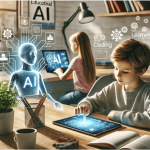
The Role of AI in Modern Education: How Technology is Changing the Way We Learn
May 22, 2026

There was a time when entrepreneurship was seen as something people pursued after years of corporate experience, an MBA degree or a stable career. Today, that narrative is changing rapidly. Across schools and colleges, teenagers are no longer just preparing for the future, they are actively building it.
From launching sustainable fashion brands and coding apps to running social media agencies and creating AI-powered solutions, student entrepreneurs are redefining what ambition looks like in the modern world. What once began as “side projects” are now becoming real businesses with real customers, real impact, and real revenue.
The rise of student entrepreneurship is not just a trend. It is a reflection of a generation that values creativity, independence, problem-solving, and innovation more than ever before.
Why Are More Students Turning Towards Entrepreneurship?
The answer lies in the world students are growing up in today. Unlike previous generations, teenagers now have access to tools, platforms, and opportunities that make starting something of their own easier than ever.
A laptop, a smartphone, and an internet connection can now become the foundation of a business.
Social media platforms have enabled students to market products without huge budgets. AI tools and no-code platforms have simplified execution. Online learning has made business knowledge accessible to anyone willing to learn. Most importantly, young people are now exposed to stories of founders and creators from an early age, making entrepreneurship feel achievable rather than distant.
Programs focused on youth entrepreneurship are also gaining popularity globally, encouraging school students to experiment with innovation and leadership at an early age.
Entrepreneurship is Teaching Students What Classrooms Often Cannot
While academic excellence remains important, entrepreneurship offers students something equally valuable, practical exposure to the real world.
When students build businesses, they naturally develop skills that cannot always be taught through textbooks alone:
- Communication and networking
- Leadership and teamwork
- Financial understanding
- Problem-solving abilities
- Decision-making under pressure
- Creativity and adaptability
Even failure becomes a lesson. A failed idea teaches resilience. A difficult client interaction teaches professionalism. A missed opportunity teaches strategy.
This is why entrepreneurship today is increasingly being viewed not merely as a career path, but as a mindset.
The Student Advantage: Why Starting Early Matters
One of the biggest strengths student entrepreneurs possess is freedom to experiment.
Students are in a unique phase of life where curiosity is high and fear of failure is comparatively low. They can test ideas, explore industries, participate in competitions, and learn through experience without the intense financial responsibilities that often come later in life.
Many successful founders today began with small experiments during their school or college years. What mattered was not immediate success, but the confidence and learning they gained along the way.
Starting early also helps students discover their interests much sooner. Some may realize they enjoy marketing, others may find passion in technology, design, storytelling, or leadership. Entrepreneurship becomes a platform for self-discovery as much as business creation.
Schools and Institutions Are Beginning to Adapt
Educational institutions are also slowly recognizing the importance of entrepreneurial learning.
Across India and globally, schools are introducing entrepreneurship bootcamps, innovation challenges, startup competitions, and mentorship programs to help students think beyond conventional career paths.
The focus is shifting from rote memorization to creativity, collaboration, and innovation.
Students today are being encouraged to identify real-world problems and work towards solutions. Whether it is sustainability, healthcare, education, mental health, or technology, young minds are beginning to contribute meaningfully to industries that shape society.
Entrepreneurship in the Age of Content and Creativity
Another major factor driving student entrepreneurship is the creator economy.
Teenagers are no longer waiting for traditional opportunities. Many are building audiences online through content creation, podcasts, newsletters, YouTube channels, and digital communities. Over time, these audiences often evolve into businesses.
Personal branding, content marketing, and digital storytelling are becoming powerful tools for young entrepreneurs. In many ways, students today understand internet culture and consumer behavior better than older generations.
This gives them a competitive edge in creating brands that feel authentic, relatable, and community-driven.
The Future Belongs to Builders
Not every student entrepreneur will build the next unicorn startup and that is perfectly okay.
The true value of entrepreneurship lies beyond profits or funding rounds. It lies in developing the courage to take initiative, solve problems, and create value independently.
In a rapidly evolving world shaped by AI, automation, and constant change, the ability to think creatively and adapt quickly will become one of the most important skills of the future.
Student entrepreneurs are already proving that age is no barrier to innovation. They are not waiting for permission to create impact. They are starting where they are, with what they have, and learning along the way.
And perhaps that is the biggest lesson entrepreneurship teaches young people, the confidence to believe that their ideas matter.
Because the future will not just belong to job seekers.
It will belong to builders.