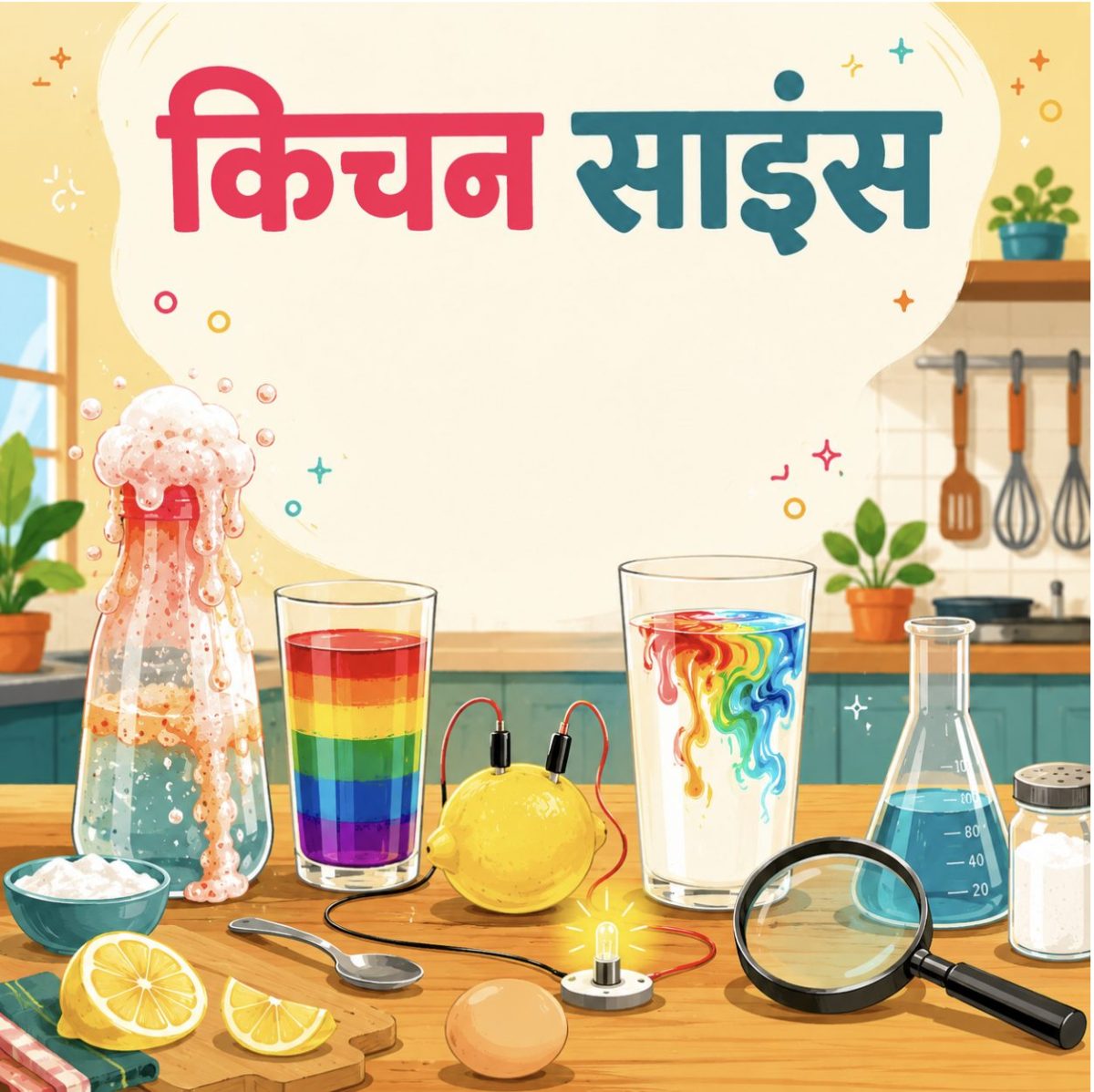

Amazing Science Experiments You Can Do With Kitchen Ingredients
July 21, 2026
कारगिल विजय दिवस: वो अनकही कहानियाँ जिन्होंने चोटियों को फिर से जीत लिया
July 24, 2026
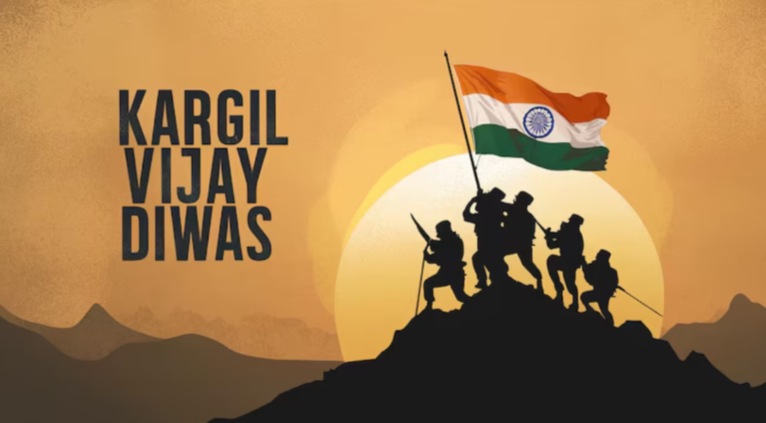
“Yeh Dil Maange More” — these four words, radioed down from a frozen cliff-face in 1999, capture the spirit of a war fought not with numbers or machines, but with raw human courage. This 26th July, as India observes another Kargil Vijay Diwas, we tell the story of that war — peak by peak, soldier by soldier.
Prologue: A Betrayal at 18,000 Feet
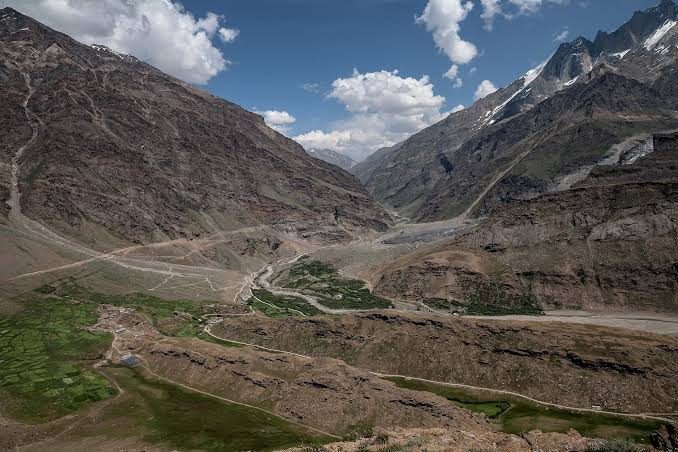
In the winter of 1998–99, while India and Pakistan were publicly engaging in peace talks — the Lahore Declaration had just been signed in February 1999 — Pakistani soldiers, disguised as militants, were quietly crossing the Line of Control (LoC) in Kargil. Under a plan believed to have been engineered by General Pervez Musharraf, they occupied over 130 abandoned high-altitude posts that the Indian Army traditionally vacated each winter due to extreme weather, and reoccupied every spring.
This year, someone got there first.
By the time local shepherds near Batalik stumbled upon armed men on the peaks in early May 1999 and alerted the Indian Army, the intruders had already dug in — with bunkers, supply routes, and a commanding view of National Highway 1A, the single road connecting Srinagar to Leh. Cut this highway, and Ladakh would be strangled.
India had no choice. It had to take the mountains back — and take them back by climbing straight into enemy fire, because there was no other way up.
The War That Had to Be Climbed
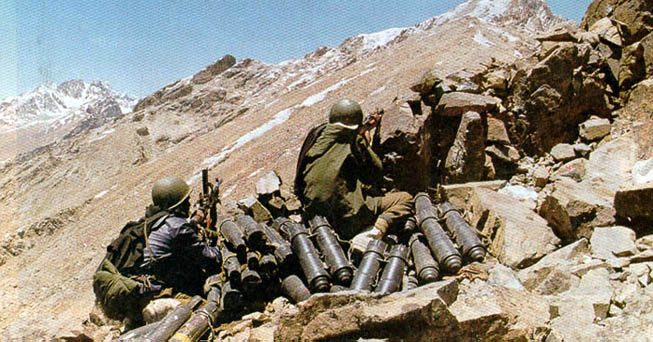
What makes Kargil different from almost every other war in modern history is simple: the enemy owned the high ground, and the only way to dislodge them was to walk uphill into their guns.
Picture a soldier at 17,000 feet, carrying a rifle, ammunition, and rations, climbing a near-vertical rock face at night, in temperatures well below freezing, with barely enough oxygen to breathe — while an enemy bunker above rains down machine-gun fire and grenades. There was no cover. There was no shortcut. There was only the mountain and the will to take it.
This is the story of the men who did exactly that.
Battle by Battle: The Peaks That Had to Be Won Back
Tololing — The Turning Point
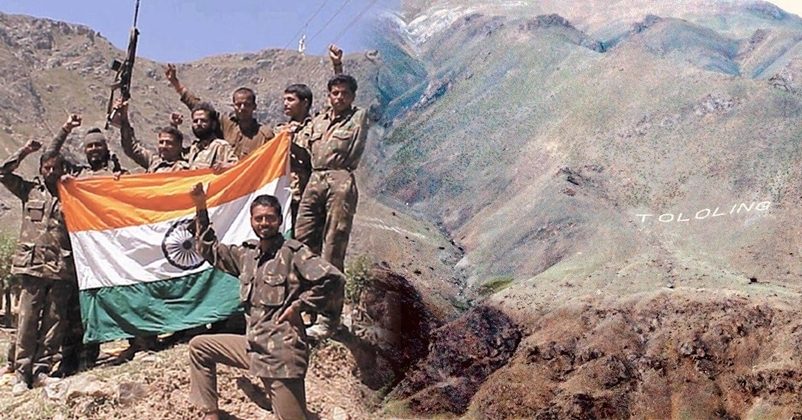
Tololing, overlooking Dras, was among the first major peaks to fall to the intruders — and its recapture in June 1999 became the psychological turning point of the war. The Indian Army’s 18 Grenadiers and 2 Rajputana Rifles fought a punishing multi-day battle here, often crawling metre by metre under fire. When Tololing finally fell back into Indian hands, it proved something crucial: the enemy could be dislodged, however dug in they were. It gave every soldier climbing the next peak the belief that victory was possible.
Tiger Hill — The Midnight Assault
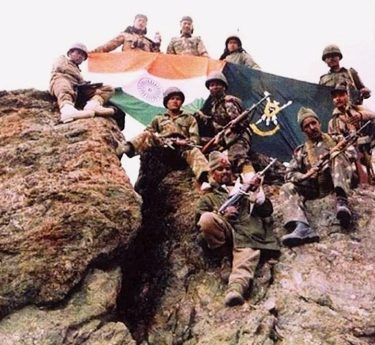
Tiger Hill, a dominating peak near Dras, became the most iconic battle of the war. For days, Indian artillery — including the devastating Bofors guns — pounded the peak almost continuously, softening enemy positions. Then, on the night of 3rd–4th July 1999, soldiers of the 18 Grenadiers, supported by the Naga Regiment and the Indian Air Force’s Mirage 2000 strikes, began a near-vertical night assault.
Climbing in complete darkness, roped together in places, they scaled cliffs the enemy considered unclimbable — which is precisely why those approaches were lightly defended. By the morning of 4th–5th July, the Indian tricolour was flying over Tiger Hill. It was one of the most technically difficult infantry assaults India’s army had ever executed, and it broke the back of the enemy’s defensive line in the Dras sector.
Point 4875 — Where Vikram Batra Became Immortal
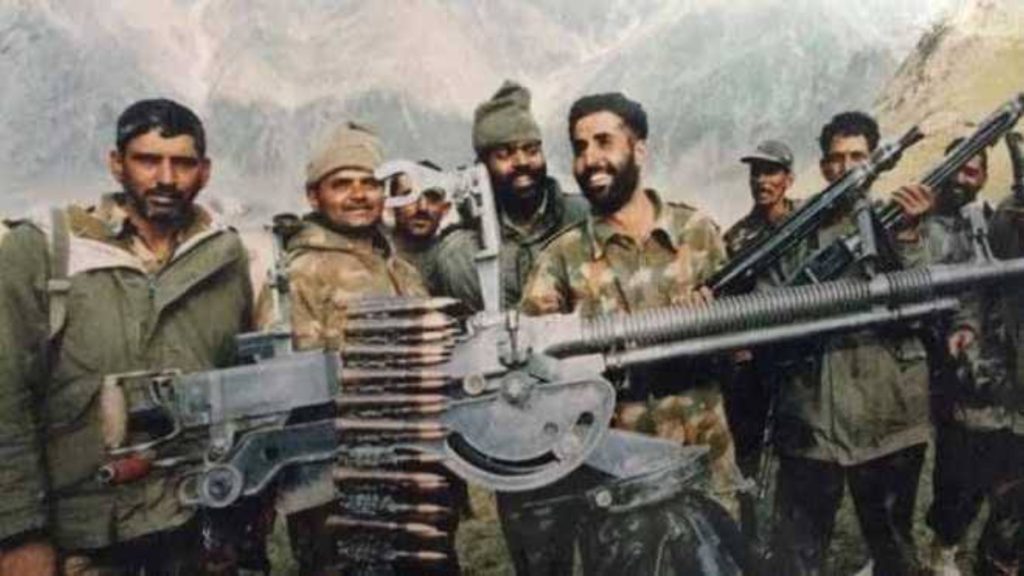
In the Mushkoh Valley stood Point 4875, a peak that would later be renamed “Batra Top” in honour of the man who died taking it.
Captain Vikram Batra of 13 JAK Rifles led his men up this peak on the night of 7th July 1999. As his company neared the top, they came under heavy fire from a bunker they hadn’t spotted. Batra didn’t wait for orders or reinforcements — he charged the bunker himself, throwing a grenade and eliminating it, opening the path for his men to take the peak.
It was here, on his radio set, that Batra uttered the words that would become legend: “Yeh Dil Maange More” — this heart wants more — a line borrowed from a popular advertisement of the time, now forever tied to his memory.
Tragically, his story didn’t end in triumph. Days later, on 7th July, as his unit fought to secure another position, a young officer, Lieutenant Anuj Nayyar, was critically wounded. Batra rushed forward to pull him to safety under direct enemy fire. It was in this act of saving a fellow soldier that Captain Vikram Batra was fatally shot. He was 24 years old. He was posthumously awarded the Param Vir Chakra, India’s highest gallantry award.
Batalik — The Longest, Hardest Fight
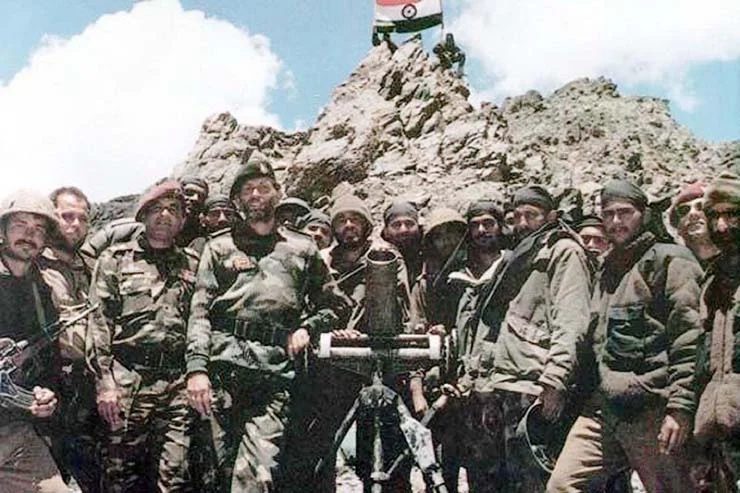
If Tiger Hill was the most famous battle, Batalik was the most gruelling. The terrain here was even steeper and more treacherous, and the fighting stretched on longer than almost anywhere else in the war.
It was in Batalik that Captain Manoj Kumar Pandey of 1/11 Gorkha Rifles led his men to capture a series of enemy positions — Jubar Top, Khalubar — over consecutive nights, often being the first to walk into enemy fire to draw it away from his men. On the night of 2nd–3rd July, while assaulting a well-defended bunker, he was hit twice but continued to lead the charge until the position was captured. He succumbed to his injuries during the assault. He was posthumously awarded the Param Vir Chakra. He was 24 years old.
It was also in Batalik that Rifleman Sanjay Kumar of 13 JAK Rifles wrote his own chapter of courage. During an assault on a ridge, he was the first to charge an enemy machine-gun position, taking two bullets in the process. Despite his wounds, he seized the enemy’s own machine gun and turned it against them, killing several enemy soldiers and clearing the way for his company to advance. He survived — and was awarded the Param Vir Chakra for his actions.
Tiger Hill’s Teenage Hero
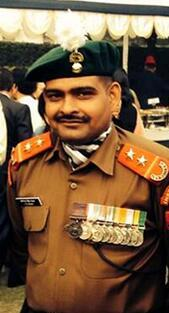
Perhaps no story from Kargil captures raw courage quite like that of Grenadier Yogendra Singh Yadav, who was just 19 years old during the war — the youngest recipient of the Param Vir Chakra in Kargil.
As part of the assault team scaling Tiger Hill, Yadav volunteered to lead the climb up a near-vertical, 1,000-foot cliff face to destroy enemy bunkers guarding the summit. Climbing first, he was hit by enemy fire — bullets tore through his shoulder and legs. He kept climbing. Reaching the top, and despite his wounds, he lobbed grenades into the first bunker, then engaged the second bunker in hand-to-hand combat, giving his company the opening they needed to storm the peak. He survived his injuries and lives on today as a decorated veteran, often speaking to young students about that night on the cliff.
The Cost of Victory
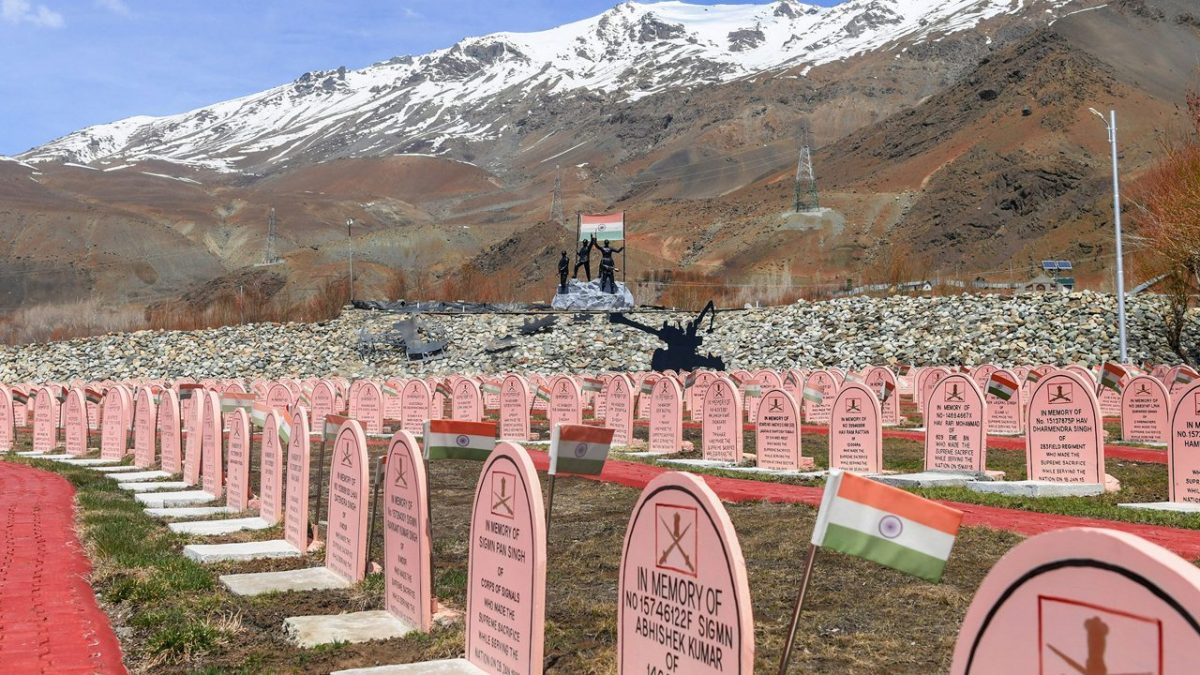
By the time Operation Vijay was declared successfully concluded on 26th July 1999, more than 500 Indian soldiers had laid down their lives, and many hundreds more were wounded — a reminder that every metre of those mountains was paid for in blood. Behind every Param Vir Chakra were hundreds of other soldiers whose names may not be as widely known, but whose courage was no less real: signalmen who kept communication lines running under fire, porters who carried ammunition up impossible slopes, medics who treated the wounded in the middle of firefights, and young officers who led charge after charge knowing the odds.
Why We Remember — Why 26th July Matters
26th July is the day the last intruder was pushed off Indian soil and Operation Vijay was declared complete. Since then, Kargil Vijay Diwas has stood as India’s annual reminder that freedom, sovereignty, and peace are never free — they are earned, and sometimes paid for at unimaginable cost.
At the Kargil War Memorial in Dras, engraved in stone, are words that capture the spirit of the war better than anything else could: “When you go home, tell them of us and say — for your tomorrow, we gave our today.”
Honour Their Courage — Join Scholar Planet’s “A Tribute to Courage” Contest
Stories like these deserve to be remembered, retold, and passed on — not just read once a year, but carried forward by every young mind who benefits from the freedom these soldiers died protecting.
That’s exactly why Scholar Planet is hosting “A Tribute to Courage — Kargil Vijay Diwas Contest.” Let’s honour the bravery, sacrifice, and unbreakable spirit of our heroes — through your words, your art, your tribute.
Express. Remember. Salute.
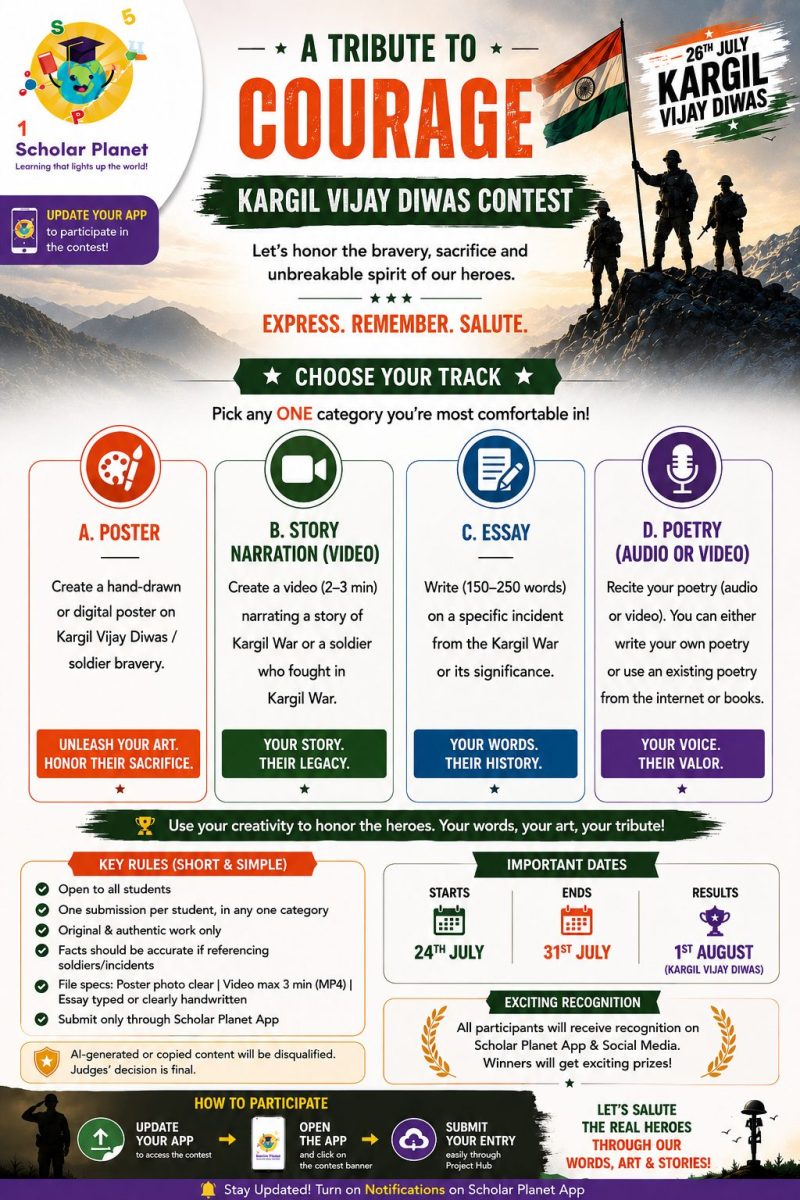
Choose Your Track
Pick any one category you’re most comfortable in:
- A. Poster — Create a hand-drawn or digital poster on Kargil Vijay Diwas or soldier bravery.
- B. Story Narration (Video) — Create a 2–3 minute video narrating a story of the Kargil War, or of a soldier who fought in it. (Every soldier’s story above — Batra, Pandey, Yadav, Sanjay Kumar — is exactly the kind of story this track is made for.)
- C. Essay — Write 150–250 words on a specific incident from the Kargil War or its significance.
- D. Poetry (Audio or Video) — Recite your poetry, either self-written or an existing poem from a book or the internet.
Key Rules
- Open to all students
- One submission per student, in any one category
- Original and authentic work only — AI-generated or copied content will be disqualified
- Facts must be accurate if referencing soldiers or incidents
- File specs: clear poster photo | video max 3 minutes (MP4) | essay typed or clearly handwritten
- Submit only through the Scholar Planet App
- Judges’ decision is final
Important Dates
- Starts: 24th July
- Ends: 31st July
- Results: 1st August
- Certificate
All winners will be recognized on the app!
How to Participate
- Update your app to access the contest
- Open the app and click on the contest banner
- Submit your entry easily through Project Hub
The mountains of Kargil were won back one impossible climb at a time. This contest is a small way for all of us — students, parents, and educators — to make sure that climb, and the courage behind it, is never forgotten.
Update your app today, choose your track, and let’s salute the real heroes — through our words, art, and stories.
Jai Hind. Jai Hind Ki Sena. 🇮🇳