
सिर्फ नोट्स दोबारा पढ़ना काफी नहीं: एक्टिव रिकॉल की साइंस
September 7, 2026
Why Do Onions Make You Cry? A Kitchen Science Experiment
September 12, 2026

Most students have a familiar routine before exams: open the textbook, read the chapter, highlight the important lines, read it again the next day, and hope it sticks. It feels productive. You’re spending hours with the book open. But if you’ve ever walked into an exam hall confident and then blanked on a question you “definitely knew,” you’ve experienced the biggest flaw in this method.
The problem isn’t effort. It’s the technique. And there’s a simple, research-backed fix: active recall.
What Rereading Actually Does to Your Brain
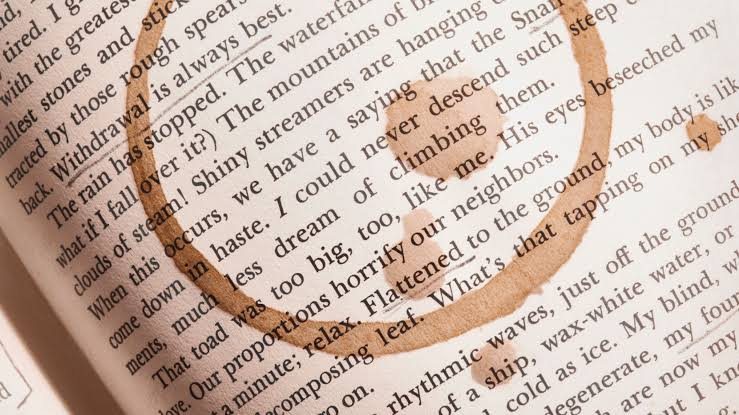
When you reread a chapter, your brain recognizes the words. Recognition feels like knowledge — the sentence looks familiar, so your brain assumes it’s stored. This is called the “fluency illusion.” You’re confusing familiarity with the page for actual memory of the content.
The problem is that recognition and recall are two very different mental processes. Recognizing an answer when you see it is far easier than producing that same answer from scratch. Exams almost always demand the second — and that’s exactly the skill rereading fails to build.
What Active Recall Actually Is
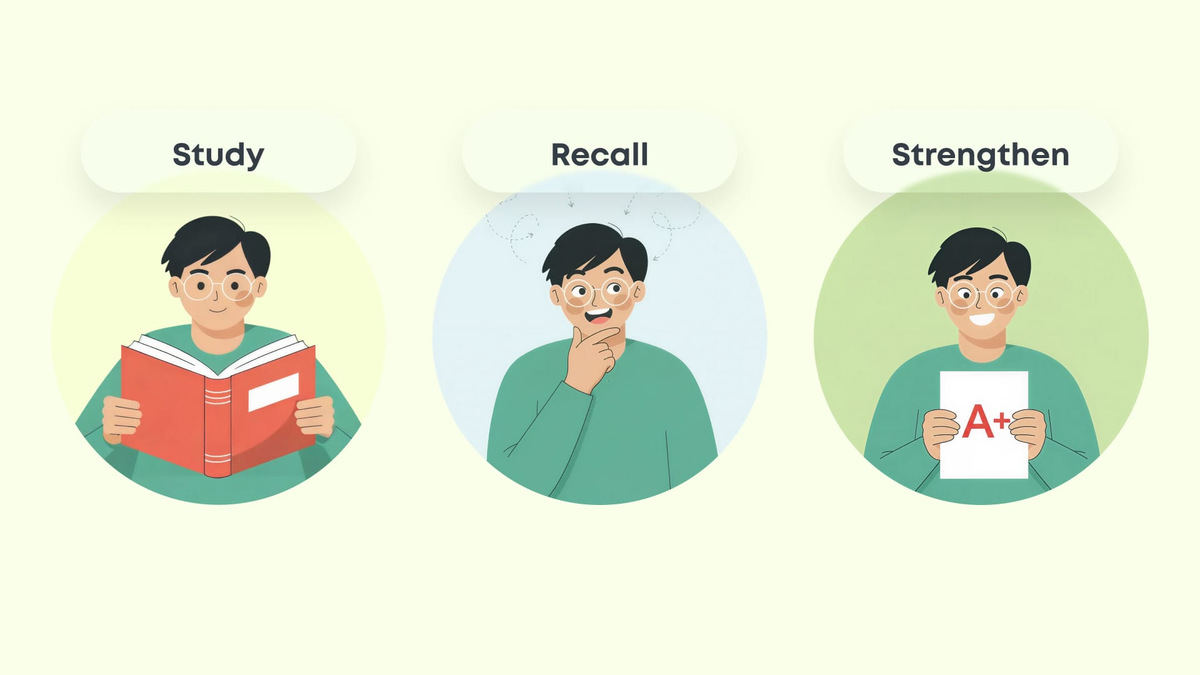
Active recall means testing yourself on information instead of just re-reading it. Instead of looking at notes and reading them again, you close the book and try to reproduce the information from memory — through a question, a blank page, or a friend quizzing you.
It sounds almost too simple, but the effect is well documented. Every time you struggle to pull information out of memory and succeed, that memory gets stronger. Every time you reread, you’re just refreshing surface familiarity without doing that harder mental work.
How to Actually Use Active Recall (Practical Methods)
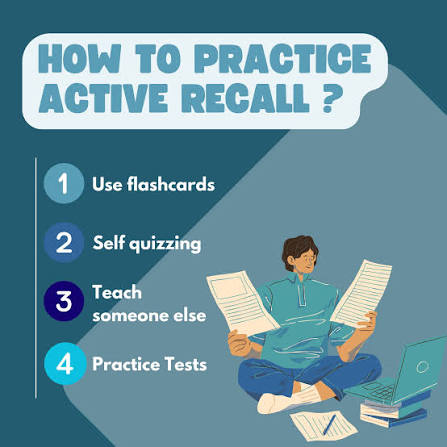
1. The Blank Page Method After reading a chapter or topic, close the book and write down everything you remember on a blank sheet — definitions, formulas, dates, diagrams, whatever applies. Then go back and check what you missed. That gap is exactly what you need to revise.
2. Flashcards (Done Right) Flashcards work only if you actually try to answer before flipping the card. Writing “Q: What is Newton’s Third Law?” on one side forces retrieval — simply reading both sides together defeats the purpose.
3. Self-Made Practice Questions After every topic, write 3–5 questions you think could be asked in an exam. Attempt them a day or two later without looking at your notes. This mimics real exam conditions far better than passive reading does.
4. The “Teach It” Trick Explain the topic out loud as if you’re teaching it to a younger student or a friend who knows nothing about it. If you get stuck explaining a part, that’s the part you haven’t actually learned — it’s just familiar to you.
5. Practice Past Papers Early, Not Just at the End Most students save past papers for the final week before exams. Instead, use them throughout your preparation as a recall tool, not just a final test.
Why Spacing Matters Too
Active recall works even better when combined with spaced repetition — reviewing material at increasing intervals (a day later, then three days later, then a week later) instead of cramming it all at once. Cramming might help you recognize information tomorrow, but spaced recall is what moves it into long-term memory.
A simple approach: revisit a topic the next day, then after 3 days, then after a week. Each time, try recalling first before checking your notes.
Common Mistakes Students Make With This Method
- Checking the answer too soon. Give yourself real time to struggle before looking. That struggle is where the learning happens.
- Only doing it right before exams. Active recall works best as a daily habit, not a last-minute strategy.
- Making recall too easy. If you’re just recognizing your own handwriting or the order of points, you’re not really testing recall — make the questions specific enough to actually challenge you.
- Skipping topics that feel “already known.” Ironically, these are often the topics where the fluency illusion hits hardest.
The Bigger Point
Studying harder isn’t always about more hours with a book open — it’s about spending those hours doing the right kind of mental work. Active recall feels harder than rereading because it is harder. Your brain resists it because struggle feels uncomfortable. But that discomfort is the exact signal that real learning is happening.
The next time you sit down to study, try this: instead of opening your notes first, ask yourself what you already remember. Only then check the book. That one shift — retrieval before review — is often the difference between information that fades by the exam and information that stays.